Squirrel-Proof Poles
Squirrel-Proof Shepherd Hook: How to Choose a Bird Feeder Pole Setup
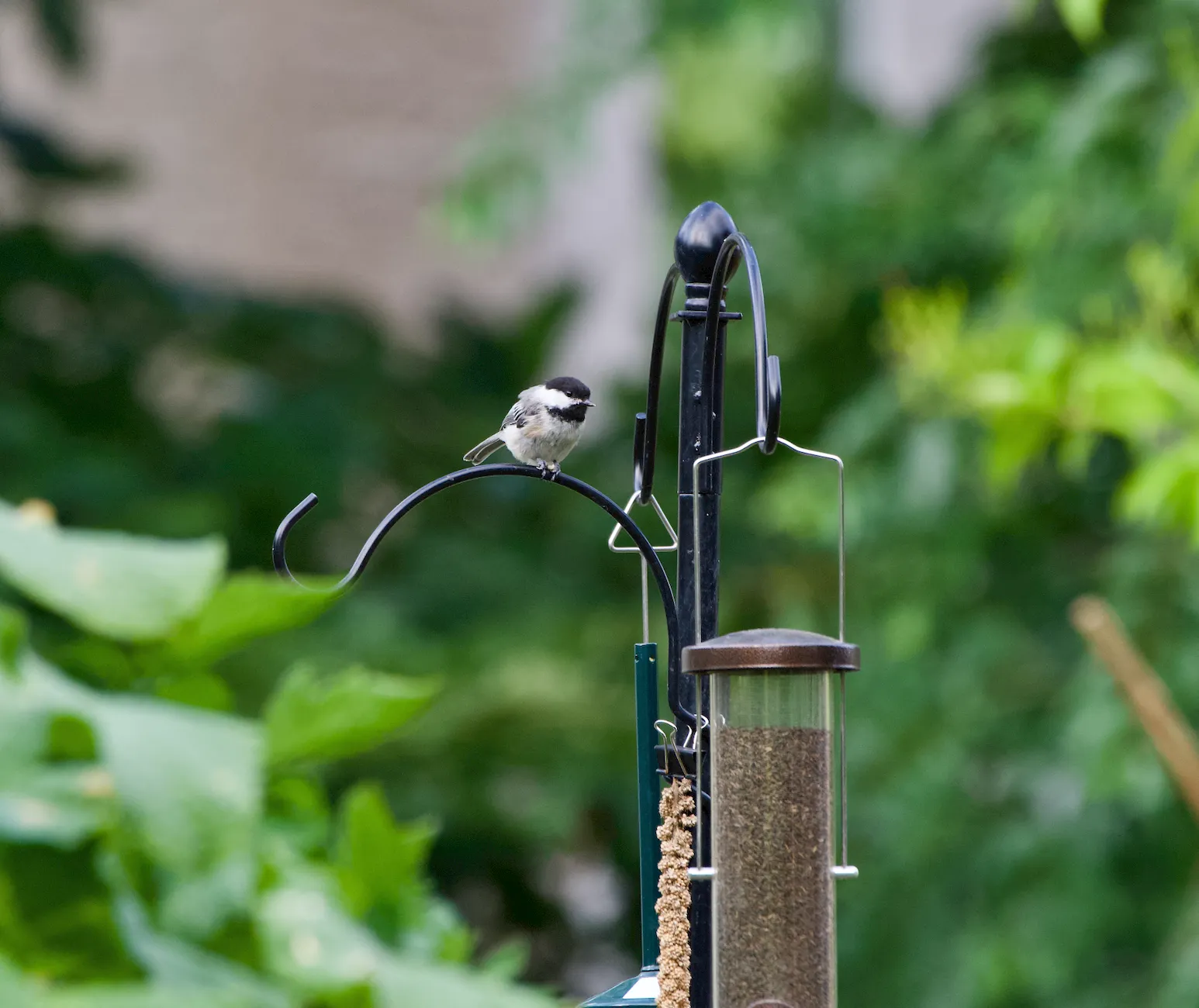
A squirrel proof shepherds hook is best considered part of a complete bird-feeding station, not a stand-alone promise that squirrels cannot reach a feeder. The pole, its ground support, the hanging arrangement, a compatible baffle, and the space around the station all affect the final setup.
Before comparing hook styles, decide what you want to hang and where the station will go. A simple one-feeder arrangement has different needs than a multi-feeder pole with several hanging items. Choosing the pole around that plan can help you avoid overloaded arms, crowded feeders, or an accessory that does not fit the pole.
What a squirrel-resistant shepherd hook setup includes
A shepherd hook is a tall pole with one or more curved arms for hanging feeders or accessories. Some are intended for light seasonal use, while others are designed as part of a more substantial feeder-pole system. The product description and installation instructions should identify the intended support method, compatible accessories, and load limit.
For squirrel resistance, assess the whole route to the feeder. A baffle may be part of the plan, but it must fit the pole and be installed according to its instructions. Nearby objects also matter because a feeder can remain approachable from a tree, fence, railing, roof edge, table, or other elevated surface.
Marketing terms such as “squirrel-proof” are not a substitute for checking the details. Look for a setup that is appropriate for your feeder arrangement and that can be installed and maintained as directed by its manufacturer.
Choose the ground support before choosing hook count
Match the support style to the installation location
Shepherd hooks may use a stake, multiple ground prongs, a base, or another mounting arrangement. The right option depends on the installation surface, the planned hanging load, and whether you want a movable or more permanent station. Review the manufacturer’s instructions before purchase so the support method fits the location you have in mind.
Inspect the proposed area before installation. Roots, rocks, loose ground, slopes, irrigation components, and buried utilities can affect whether a location is suitable. If you are unsure about underground utility locations or installation requirements, use the appropriate local utility-location process or seek qualified help before digging.
Plan for a loaded, not empty, pole
An empty shepherd hook can appear stable even when the completed station will place more force on one side. Consider the filled weight of every feeder, tray, water accessory, and baffle you intend to use. Use the pole maker’s stated load limit for the complete arrangement, rather than estimating from the number of hooks alone.
After setup, check that the pole remains upright with the feeders filled and hanging in their normal positions. Recheck after strong weather, soil changes, or any adjustment to the station. If the pole leans, shifts, or seems unstable, remove hanging weight and correct the installation before continuing to use it.
Pick a hook layout that fits the feeders
Single-hook shepherd hooks
A single-hook layout is a straightforward option for one primary feeder. It can make placement, refilling, and routine inspection simpler because there are fewer hanging components to coordinate. It may also be a sensible starting point when you are still determining how much activity or maintenance you want at the station.
Measure the feeder’s body width and hanging length before buying. The feeder should have room to hang without contacting the pole, baffle, or nearby objects during ordinary movement.
Double-hook shepherd hooks
A double shepherd hook can hold two compatible hanging items, provided the arms give them adequate clearance. For example, a feeder and a lightweight accessory may be easier to manage when each has its own side of the pole. The key checks are the combined loaded weight, arm spacing, and whether one item interferes with access to the other.
Do not assume two hooks mean that two large feeders will fit comfortably. Compare the dimensions of the feeders with the length and separation of the arms, then leave room for filling, cleaning, and removing the feeders.
Triple-hook and multi-hook setups
A triple-hook pole can suit a planned multi-feeder station, but more hooks also add more variables. Consider how the feeders will be spaced, where a baffle will sit, how the total load will be distributed, and whether the area below the station will remain manageable to clean.
Use every hook only when the complete arrangement remains within the stated limit and does not crowd the station. An unused hook is preferable to a setup in which feeders touch, tangle, or make maintenance difficult.
Confirm baffle compatibility
Do not assume that every squirrel baffle fits every shepherd hook. Before buying a baffle, compare the pole diameter, shape, attachment method, required position, and any clearance requirements in the product instructions. Some baffles may be designed for particular pole styles or mounting arrangements.
Also account for the hook arms and feeder hardware. A baffle needs a position that does not prevent normal feeder access or conflict with other accessories. If the baffle instructions specify an installation height or configuration, follow those directions rather than improvising a placement.
A baffle is one layer of the setup. It does not eliminate the need to review possible approach routes from nearby structures. Reassess the station if you notice squirrels using another object to get close to the feeders.
Check placement around the bird feeder pole
Choose an open location with enough room to install, refill, and inspect the station safely. Walk around the intended spot and identify trees, fences, deck rails, outdoor furniture, sheds, walls, roofs, and other surfaces that may affect access to the feeders.
Placement should also be practical for you. You need enough space to remove feeders for cleaning, refill them without overreaching, inspect the pole support, and clear dropped seed or debris as needed. Avoid placing the station where routine maintenance is awkward or unsafe.
Questions to ask before buying
- What feeders and accessories will hang from the pole?
- What is the filled weight of the complete arrangement?
- What support method does the pole require?
- Does the intended location suit that support method?
- What load limit does the manufacturer state?
- Will the selected baffle fit the pole and work with the hook layout?
- Will feeders have enough clearance from each other, the pole, and the baffle?
- Are nearby structures likely to provide an alternate route to the station?
- Can you safely refill, clean, and inspect every component?
Setup and maintenance checks
Read the instructions for the pole, feeder, and baffle before assembly. Use only hardware and accessories the manufacturer identifies as compatible, and do not exceed stated load limits. Check hooks, fasteners, connections, and ground support periodically, especially after weather or after changing the number of hanging items.
Keep the station organized rather than continually adding accessories. A clearly planned arrangement is easier to inspect and adjust. If the pole becomes unsteady, feeders begin striking one another, or a baffle no longer fits the configuration, simplify the setup and address the issue before relying on the station again.
Bottom line
The best squirrel proof shepherds hook is one that matches your planned feeder count, can be supported securely in the chosen location, and works with a compatible baffle strategy. Prioritize the manufacturer’s capacity and installation guidance, practical feeder clearance, and an open placement over hook count or marketing labels alone.
[…] This is especially important with shepherd hooks. Their curved top can be useful for hanging feeders, but the baffle generally needs a clear, straight section below the feeders. For a broader pole-system checklist, see how to choose a squirrel-proof shepherd hook setup. […]