
Squirrel-Proof Poles
Bird Feeder Pole Anchor Types: A Practical Guide to Choosing a Stable Base
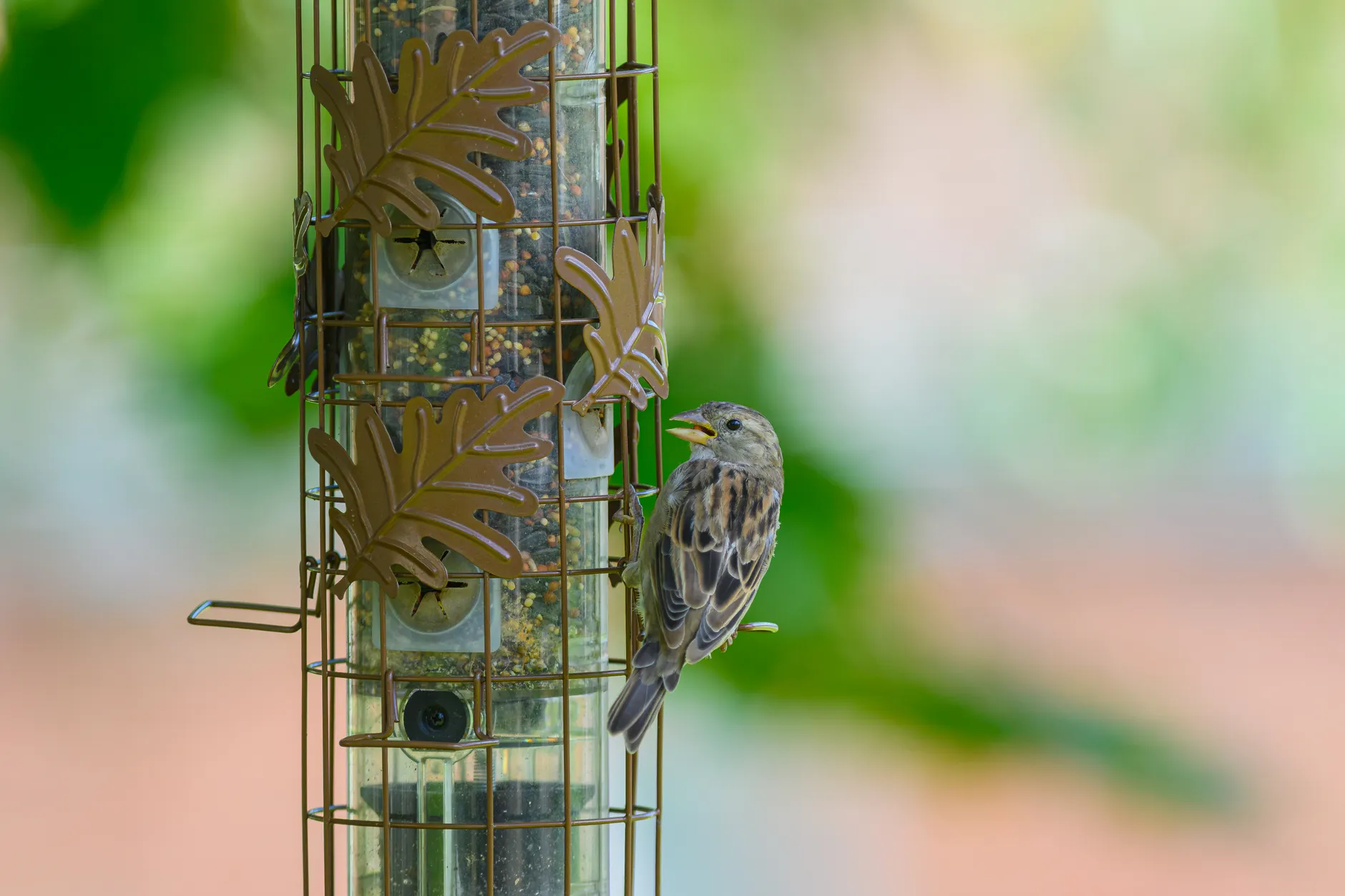
A bird feeder pole anchor is the ground or surface connection that positions and supports a pole. The suitable option depends on the pole design, conditions at the installation site, the planned feeder arrangement, and whether you may want to move the station later.
Start with the pole rather than the anchor’s appearance. A pole may be designed to slide over a stake, insert into a sleeve, attach to a mounting plate, or use another specified connection. Do not assume parts from different systems fit together.
Start with the pole’s approved mounting method
Review the pole instructions and included hardware before choosing an anchor. Note the pole diameter, connection style, stated installation method, compatible accessories, and any limits supplied for the system.
- Does the pole slide over a stake, insert into a sleeve, or attach to a base?
- Is the anchor included, optional, or sold separately?
- Will the station hold one feeder or several items?
- Do you need to remove, store, or relocate the pole?
- Can you safely reach the location for installation and routine upkeep?
For a station with several hanging points, plan the complete arrangement before choosing the base. The location and balance of feeders, trays, and accessories matter alongside the pole itself. See how to choose a bird feeder pole for multiple feeders for broader station-planning guidance.
Bird feeder pole anchor types at a glance
| Anchor type | Connection concept | Removal planning | Questions to resolve |
|---|---|---|---|
| Driven ground stake | The pole connects to a stake driven into soil. | Consider whether the stake and pole can be removed separately under the system instructions. | Is the stake specified for this pole, and is the ground suitable for the stated installation method? |
| In-ground sleeve | The pole inserts into a receiving tube set in the ground. | Useful to consider when the pole may need to come out while the sleeve remains in place. | Do the inside diameter, drainage provisions, and pole style match? |
| Surface-mounted base | A mounting plate or similar base attaches to an existing surface. | Removal depends on the base, fasteners, and surface. | Is the pole designed for this base, and is the surface approved for the mounting hardware? |
| Concrete-set support | Part of the support arrangement is installed in concrete. | Plan carefully if later relocation matters. | Does the manufacturer permit concrete, and what component is intended to be set? |
| Weighted or freestanding base | The pole stands above ground on a purpose-made base. | May be easier to reposition if the complete system is intended for that use. | Does the base match the pole and planned arrangement? |
Common anchor types in more detail
Driven ground stakes
A driven stake is placed directly in soil, with the pole connecting over or into the exposed portion. Choose this approach only when the pole system specifies an in-ground stake connection. Confirm the connection method and installation depth in the product instructions before beginning.
At the selected site, look for conditions that could interfere with installation, such as rocks, roots, irrigation components, or buried services. Do not force a stake if it meets an obstruction.
In-ground sleeves
An in-ground sleeve is a receiving tube for a compatible pole. It may suit a setup where you want the option to lift out the pole, but the sleeve’s inside diameter, drainage details, and intended pole style must match the system.
Do not select a sleeve solely from a photo or an outside pole measurement. Check the manufacturer’s stated compatibility and installation instructions.
Surface-mounted bases
A surface-mounted base uses a plate or related hardware to connect a pole to an existing firm surface. It may be relevant near a patio, deck, or other proposed mounting location when the pole system is designed for that arrangement.
Review the instructions for the base, fasteners, and mounting surface. An in-ground pole is not automatically compatible with a surface-mounted base.
Concrete-set installations
A concrete-set installation incorporates a pole component or supporting hardware into concrete. Treat it as a planned installation choice, not a universal upgrade. Embedding a pole that was not designed for concrete can conflict with the manufacturer’s intended setup and can complicate later changes.
Weighted or freestanding bases
A weighted base supports a pole above ground instead of anchoring it in soil. Consider it only where the pole and base are intended to work together. Check the available footprint, the planned hanging arrangement, and the manufacturer’s instructions for the complete system.
Match the anchor to the site
Ground and below-ground conditions
Inspect the proposed location before purchasing hardware. Soil may be loose, compacted, rocky, wet, or otherwise unsuitable for a particular in-ground installation method. Use applicable local utility-location procedures before digging or driving hardware into the ground. If site conditions or the mounting method are uncertain, pause and seek qualified local help.
Space around the feeder station
Leave room to fill feeders, clean components, and inspect the pole connection. Also look above and around the station for branches, fences, rails, roofs, and other routes that could give squirrels access to a feeder.
An anchor supports the pole; it does not address every squirrel route. The pole location, feeder position, and a compatible baffle may all be relevant. See the squirrel baffle guide for placement and access-route considerations.
Access for upkeep
Choose a location where you can safely refill feeders, check fasteners, and notice visible movement or damage. If routine access is difficult, ordinary adjustments and inspection may be difficult as well.
Plan for the finished feeder arrangement
Choose an anchor for the complete station, not only the empty pole. List every feeder, tray, water accessory, decorative item, and arm you intend to use. Consider where each item will hang and whether the arrangement places more items on one side of the pole.
- Follow the pole system’s stated limits and installation instructions.
- Arrange hanging items within the positions intended by the pole design.
- Recheck the pole connection after adding, removing, or repositioning accessories.
- Do not add parts the manufacturer does not approve for the system.
- Periodically inspect the anchor connection for visible movement, loosened hardware, or damage.
Anchor-selection checklist
- Identify the exact pole and its approved mounting method.
- Decide whether the installation needs to be removable, movable, or long-term.
- Assess the ground or surface at the proposed location.
- Plan the complete feeder arrangement.
- Check the surrounding area for squirrel access routes and maintenance space.
- Confirm that the anchor, pole diameter, hardware, and accessories are compatible.
- Install and inspect the system according to the manufacturer’s instructions.
Key takeaway
There is no single best bird feeder pole anchor type for every yard. Compare stakes, sleeves, surface mounts, concrete-set supports, and weighted bases against the pole’s approved connection, the installation site, and the finished feeder arrangement. Compatibility and the manufacturer’s instructions should guide the final choice.
[…] For help understanding common base connections, see the guide to bird feeder pole anchor types. […]