
Uncategorized
Bird Feeder Shepherd Hooks and Anchors: A Setup Planning Guide
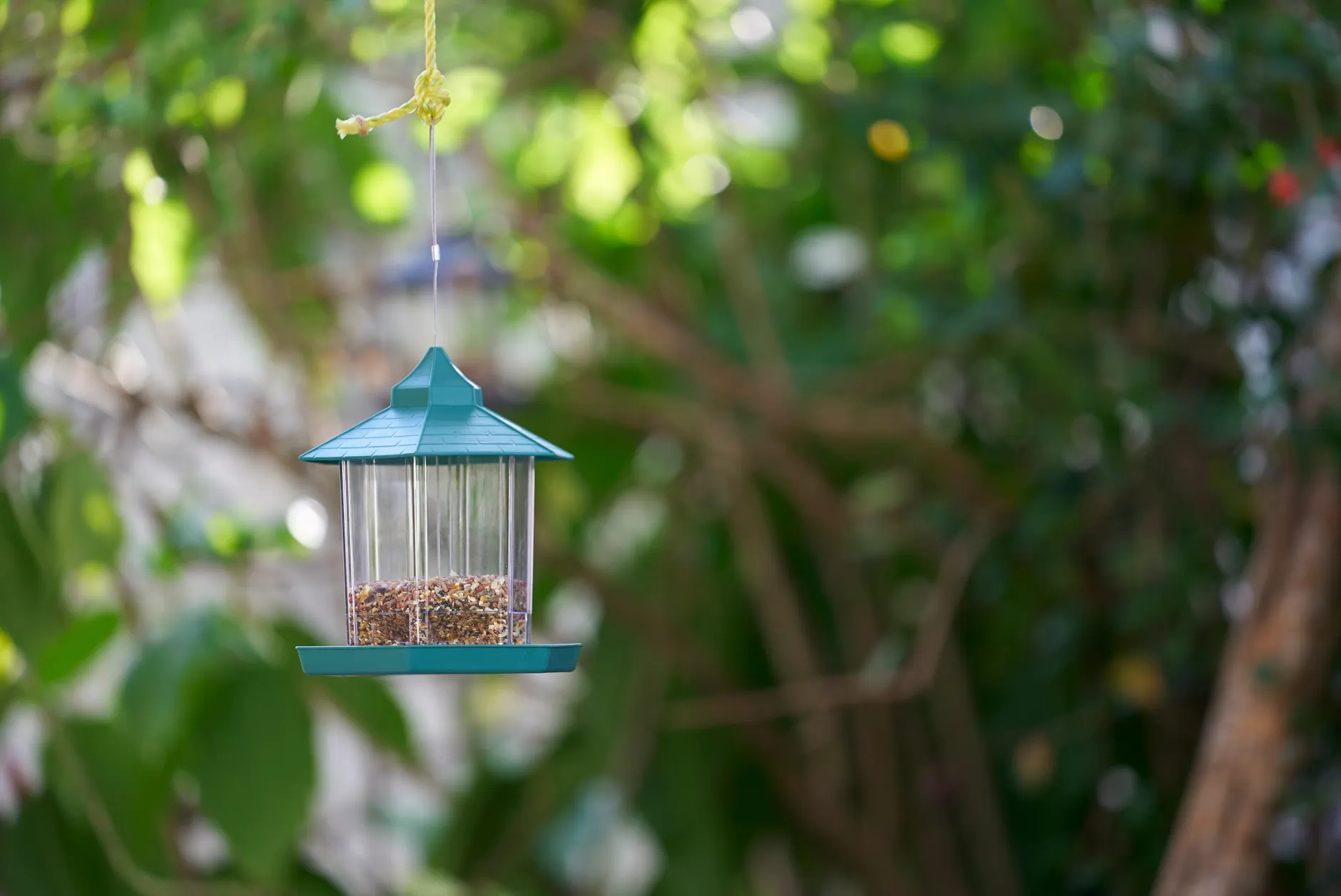
A bird feeder shepherd hook is more than a curved arm for hanging a feeder. Its ground support, pole sections, hanging layout, accessories, and location need to work together. Planning those pieces before buying is especially useful when the title of the product does not make clear how the hook is supported.
This guide focuses on the anchor decision: what type of support a particular hook is designed to use, what to check at the proposed site, and when a simple shepherd hook may no longer suit the feeder station you have in mind.
Begin with the feeder station, not the anchor alone
Start by listing the equipment that will be on the station. A hook carrying one feeder has a different support question from a pole intended for several feeders, trays, arms, or accessories. The goal is not to predict every future addition; it is to avoid choosing a support system without knowing what it must accommodate.
- List the feeders and accessories you expect to use at the start.
- Note the number and position of hanging points required.
- Decide whether a second feeder or arm is a realistic future addition.
- Include a baffle if squirrel deterrence is part of the plan.
- Keep a clear route for filling, removing, and cleaning each feeder.
Then compare the completed layout with the manufacturer’s information for the exact hook or pole. Check its stated load limit, compatible components, pole diameter, and installation method. A hook with multiple arms is not automatically the better choice; it needs to suit the planned arrangement and the support method specified for that model.
If you are still deciding between a simple hook and a purpose-built station, see bird feeder pole vs. shepherd hook. That comparison is useful for the broader hardware choice, while this guide helps you assess the anchor and site details.
Identify the support style specified for the hook
“Anchor” can describe several different ways a feeder hook is supported. Product instructions may refer to a driven stake, an in-ground socket, a base or surface-mounted support, or a proprietary ground component. Do not treat those terms as interchangeable. The intended support is part of the hook system, and substituting an unrelated part can create an unclear fit or installation method.
Driven stake or ground spike
A stake-style support is a component driven into the ground, with the hook or pole fitting into or onto it as directed by the manufacturer. This style may suit a simple installation when the site can accept the specified stake. Before choosing it, verify the required stake, the pole connection, the installation depth or method in the instructions, and whether the ground conditions at the location permit installation.
In-ground socket or sleeve
A socket-style support receives the lower section of a compatible pole. It can make sense when a system is designed around a removable pole and a dedicated below-ground fitting. Check whether the socket is included, sold separately, or limited to certain pole diameters or product lines. Also plan for the instructions governing drainage, placement, removal, and inspection rather than assuming one socket installation applies to every model.
Base or surface support
Some supports rely on a base, mounting surface, or another above-ground arrangement rather than a driven anchor. This changes the questions to ask. Confirm what surface or structure the manufacturer permits, how the pole attaches, and whether the complete feeder layout remains within the stated limits. A surface option should be evaluated as a complete system, not as a generic replacement for an in-ground support.
Check compatibility before comparing anchor styles
Anchor choice begins with the pole connection. Two supports can look similar while using different diameters, couplers, threads, locking mechanisms, or installation requirements. Keep the product pages and instructions for every planned component together while comparing options.
Use this compatibility checklist:
- Is the anchor or support explicitly listed for the exact shepherd hook or pole?
- Does the pole’s lower section match the required diameter, connector, and fitting style?
- Is the support supplied with the hook, or must it be purchased separately?
- Does the manufacturer state a load limit for the complete configuration rather than only an individual part?
- Are extra arms, extensions, baffles, or adapters approved for that configuration?
- Does the installation guidance apply to your planned site and support style?
Writing down part numbers or model names can prevent an easy mistake: selecting a pole, anchor, and accessory from related product families that were not designed to connect. When the documentation does not clearly confirm compatibility, treat it as an unanswered question before ordering.
Assess the proposed location before installation
The location affects whether an anchor style is practical. First, confirm that you can install the support using the manufacturer’s method. Consider what is below the ground or within the proposed mounting area, whether the site provides workable access during installation, and whether you can inspect the support later.
Next, look at the station as it will be used. The feeders need room to hang without interfering with each other, and you need room to reach them. A location that is difficult to access can turn ordinary filling and cleaning into a reason to postpone maintenance.
Site-planning questions
- Can the support be installed and checked according to its instructions?
- Is there enough clearance for the hook, feeders, arms, and planned accessories?
- Can you safely remove a feeder without dismantling the entire station?
- Can you reach connections that may need periodic inspection or adjustment?
- Does the location leave space to follow placement guidance supplied with the feeder and any baffle?
If a proposed location does not meet the installation instructions, choose another location or a different system rather than improvising an anchor method. The same approach applies when a support begins to lean, shift, or wobble: pause additions to the station and inspect the relevant components according to their documentation.
Plan baffle fit around the pole and anchor
A baffle is not an accessory to add after every other decision has been made. Its position, attachment method, and clearance requirements can affect the pole, arm layout, and usable space around the station. Identify the baffle location while you are still comparing support systems.
Verify that the baffle is intended for the selected pole or hook configuration and that it does not conflict with couplers, arms, or the anchor connection. Follow the placement instructions for the particular feeder, hook, and baffle rather than applying a universal measurement to unrelated products. For a broader view of how the hook, support, hanging arrangement, and baffle fit together, read how to choose a squirrel-proof shepherd hook setup.
Use a simple decision path
A straightforward decision path can keep the purchase focused:
- Define the present feeder arrangement and likely additions.
- Choose a hook or pole rated and configured for that arrangement.
- Identify the exact anchor or support specified for that model.
- Confirm that the proposed site works with the installation instructions.
- Check baffle and accessory compatibility before ordering connectors or extra arms.
- Keep the final list of components, instructions, and model details for installation and later inspection.
A simple shepherd hook can be a sensible choice for a limited feeder setup when its specified support and site requirements match the plan. If the layout calls for multiple feeders, several accessories, or a more specialized mounting arrangement, compare dedicated pole systems before committing to a hook and anchor combination. The useful choice is the one with a documented, compatible support method and a layout you can maintain without guessing about the parts.